Why learn with Rofayda
Two forms, one plan
Your plan balances the two around your goal: more Egyptian for travel and family, more Modern Standard Arabic for reading, study or religion.
See the difference clearly
Every new word is shown side by side when the two differ, for example urīdu (Fusha) and ʿāyez (Egyptian) for "I want", so you know which one to use where.
Taught by a specialist in both
Rofayda is a native Egyptian speaker certified in teaching Arabic as a foreign language (CCTAFL, American University in Cairo, 2022) and teaches both forms to non-Arabic speakers.
How it works
- Book a free trialPick a time that suits you. It takes one minute.
- Meet RofaydaA relaxed 30-minute lesson to find your level and your goals.
- Start your planContinue with lessons built around you, if you love it.
Your teacher
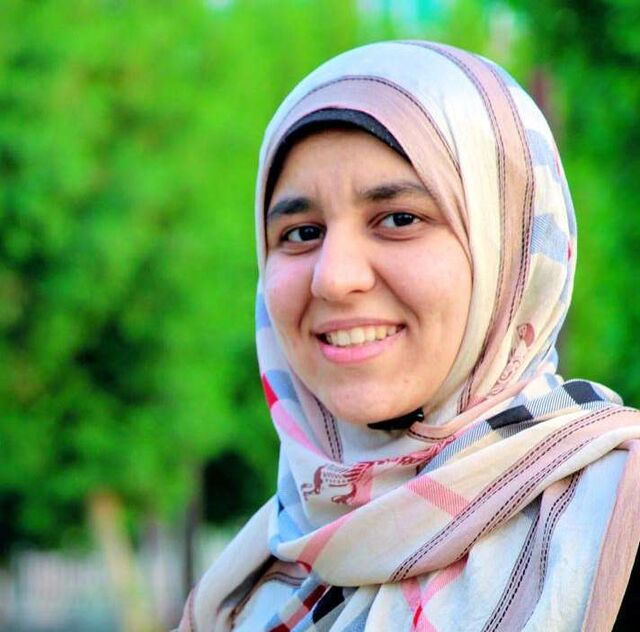
Rofayda Badawey is a certified Arabic teacher who teaches non-Arabic speakers one-to-one, online, in Modern Standard Arabic and Egyptian Arabic.
- Certified in teaching Arabic as a foreign language
- More than 10 years of teaching
- Modern Standard Arabic, Egyptian Arabic, Tajweed and Quran
What students say
Questions
Should I learn Modern Standard Arabic or Egyptian Arabic first?
It depends on your goal. To speak with people, start with Egyptian; to read, write or study religious texts, start with Modern Standard Arabic. Many students combine them from the beginning.
Will learning both confuse me?
Not when the differences are shown clearly. Most of the alphabet, roots and vocabulary are shared, and the lessons point out where the two forms differ.
Is Egyptian Arabic understood outside Egypt?
Yes. Egyptian is the most widely understood Arabic dialect thanks to Egyptian films, TV and music.
Can complete beginners take this path?
Yes. You start from zero, with explanations in clear English.